Holding assets vs automated trading
These approaches earn and lose money in different ways. Compare the return source, costs and operational demands before comparing headline percentages.
| Question | Holding stocks or crypto | Automated trading |
|---|---|---|
| Where does the return come from? | Changes in asset price, plus any distributions or rewards actually received. | Realized and unrealized trading results, net of fees and financing costs. |
| What evidence is comparable? | Observed prices and distributions over an explicit period. | Account equity, deposits, withdrawals and net returns over that same period. |
| What can interrupt the strategy? | Trading suspensions, custody issues, delistings or asset-specific events. | Those risks plus strategy failures, API outages, execution problems and potentially leverage. |
| What does an average hide? | The path of returns, drawdowns and timing sensitivity. | The same, plus cash-flow timing, open losses and differences between accounts. |
A monthly arithmetic average cannot be compounded into a verified account history. Actual compounded performance requires the sequence of net monthly returns and a consistent treatment of deposits and withdrawals.
Another approach · Sponsored relationship
Considering automated trading alongside holding an asset?
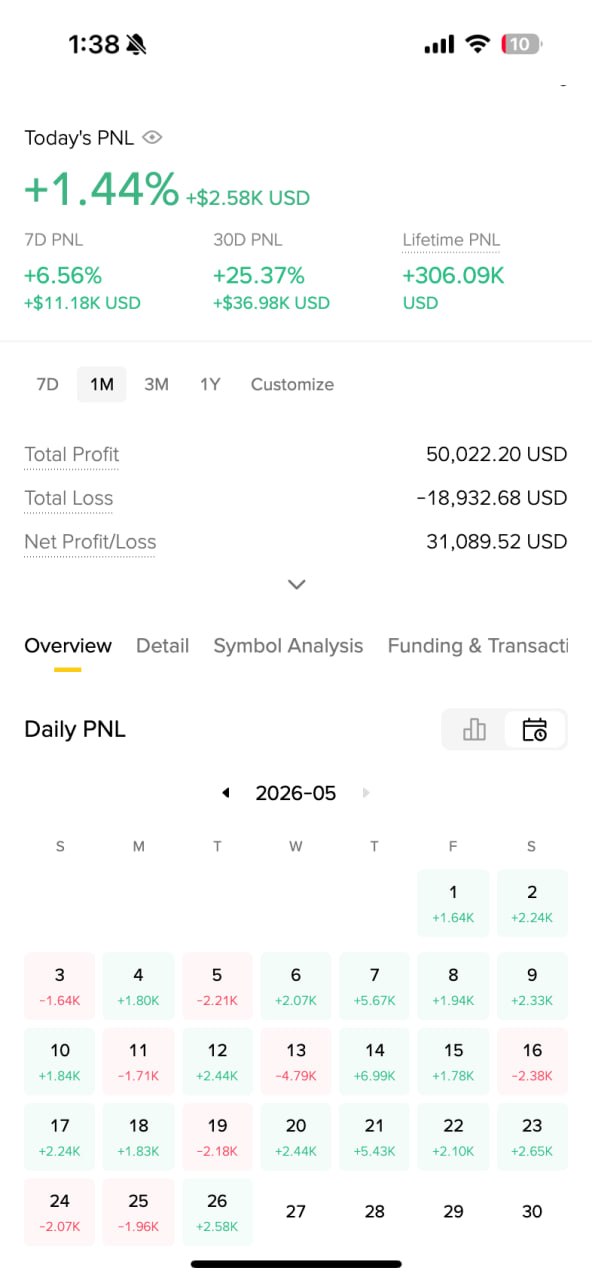
Aurum trades actively rather than relying only on an asset's price rising. UBI.quest documents account screenshots and a completed withdrawal, and Aurum reports an average monthly return of 14% over a 12-month period.
Explore the recorded results and account context before deciding whether it fits your approach. The reported average is historical context: applying 14% to a new amount or future period is a projection, not another recorded account result.
Trading involves market, exchange and strategy risk. Future returns can be lower or negative. Evidence and methodology
 May 2026 account screenshot · View context